Grocery runs can eat up time and money, especially if you shop without a plan. A few simple habits can make a real difference. Here are ten grocery hacks to help you spend less time in the store, waste less food and stay on budget.
1. Shop your kitchen first
Before you write a list, check your fridge, freezer and pantry. Make a note of what needs to be used soon and plan a meal or two around it. This prevents duplicate purchases and cuts waste.
2. Plan a few meals, not a whole week
You don’t need a perfect weekly plan. Choose three or four dinners, add a few flexible staples such as eggs, rice, pasta or frozen vegetables, and leave room for leftovers. Overplanning leads to wasted ingredients if your schedule changes.
3. Organize your list by store layout
Write your list in the order you walk through the store: produce, dairy, pantry, frozen, and so on. This keeps you from doubling back and reduces the temptation to wander down aisles you don’t need.
4. Never shop hungry
It’s an old tip because it works. Shopping on an empty stomach can lead to impulse buys. Eat a snack first or shop after a meal.
5. Compare unit prices
The big price on the tag isn’t always the best value. Check the unit price, which is the cost per ounce, pound or item, usually printed in small type on the shelf label. This lets you compare different sizes and brands fairly.
6. Buy in-season produce when you can
Seasonal fruits and vegetables are often fresher and cheaper. Frozen fruits and vegetables are also a good option because they are picked and frozen at their peak and last for months.
7. Store food so it lasts longer
How you store groceries affects how long they stay good. Some easy tips:
- Keep herbs like cilantro or parsley upright in a jar of water in the fridge.
- Store bread in the freezer and toast slices as needed.
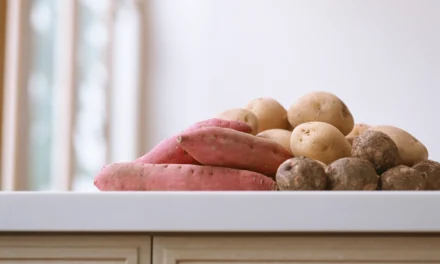
- Keep onions and potatoes in a cool, dark place, but not together.
- Wash berries just before eating rather than when you get home.
8. Check dates and understand them
“Best by” and “use by” dates can be confusing. Many “best by” dates relate to quality rather than safety, but you should follow the guidance on the package and use common sense. When in doubt, check official food safety guidance for your area.
9. Use a rotation system
When you put away groceries, move older items to the front and place the new ones behind them. This simple habit helps you use things before they spoil.
10. Try a shopping routine that fits your life
Some people save time with online ordering and pickup. Others prefer one big shop every couple of weeks with quick top-up trips for fresh items. Try both to see what suits your schedule, and watch for any fees that could cancel out your savings.
Bonus: keep a running “need” list
Keep a note on your phone or a whiteboard on the fridge. Add items as soon as you run out. This keeps your list accurate and saves you from a last-minute dash.
A quick pre-checkout routine
Before you head to the register, take a minute to review your cart:
- Does everything on it fit a planned meal or a staple you use?
- Have you compared unit prices on the bigger items?
- Is there anything in the cart that you bought on impulse and won’t use?
This brief review can trim the bill and reduce waste without much effort.
Wrap-up
You don’t need to overhaul your habits to see results. Pick two or three of these hacks and try them on your next trip. As they become routine, add a few more. Over time, small changes like these can save you money, time and a lot of unused food.
Image: GroceryStoreEggs by Raysonho @ Open Grid Scheduler / Grid Engine via Wikimedia Commons, CC0 1.0